
What STI is for
Summer Teacher Institute is professional learning for New Mexico educators who want practical experience with computational science and a stronger start to the Challenge season. Participants learn together, test models, share classroom strategies, and leave with project ideas they can adapt for students.
Learn by doing
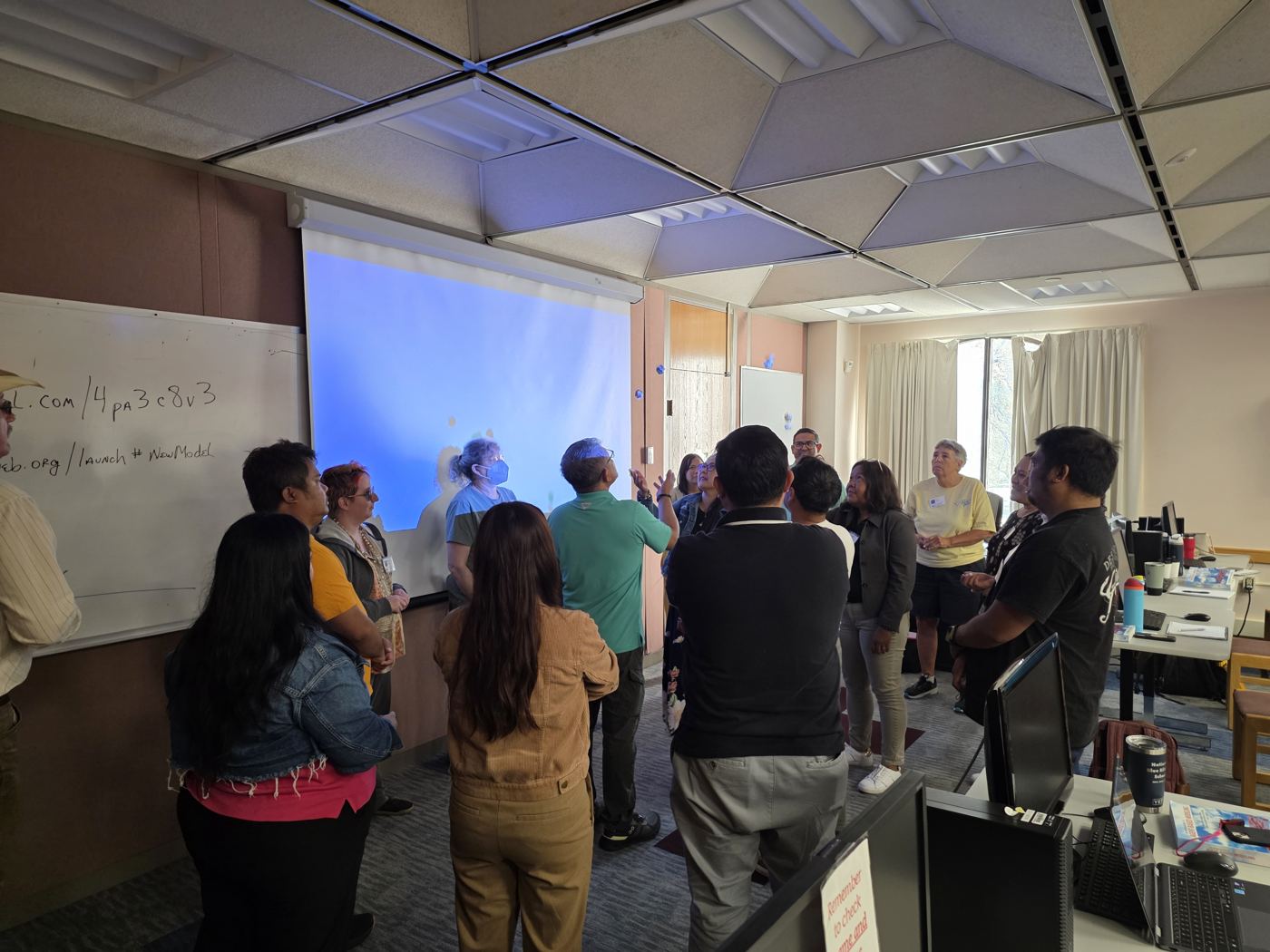
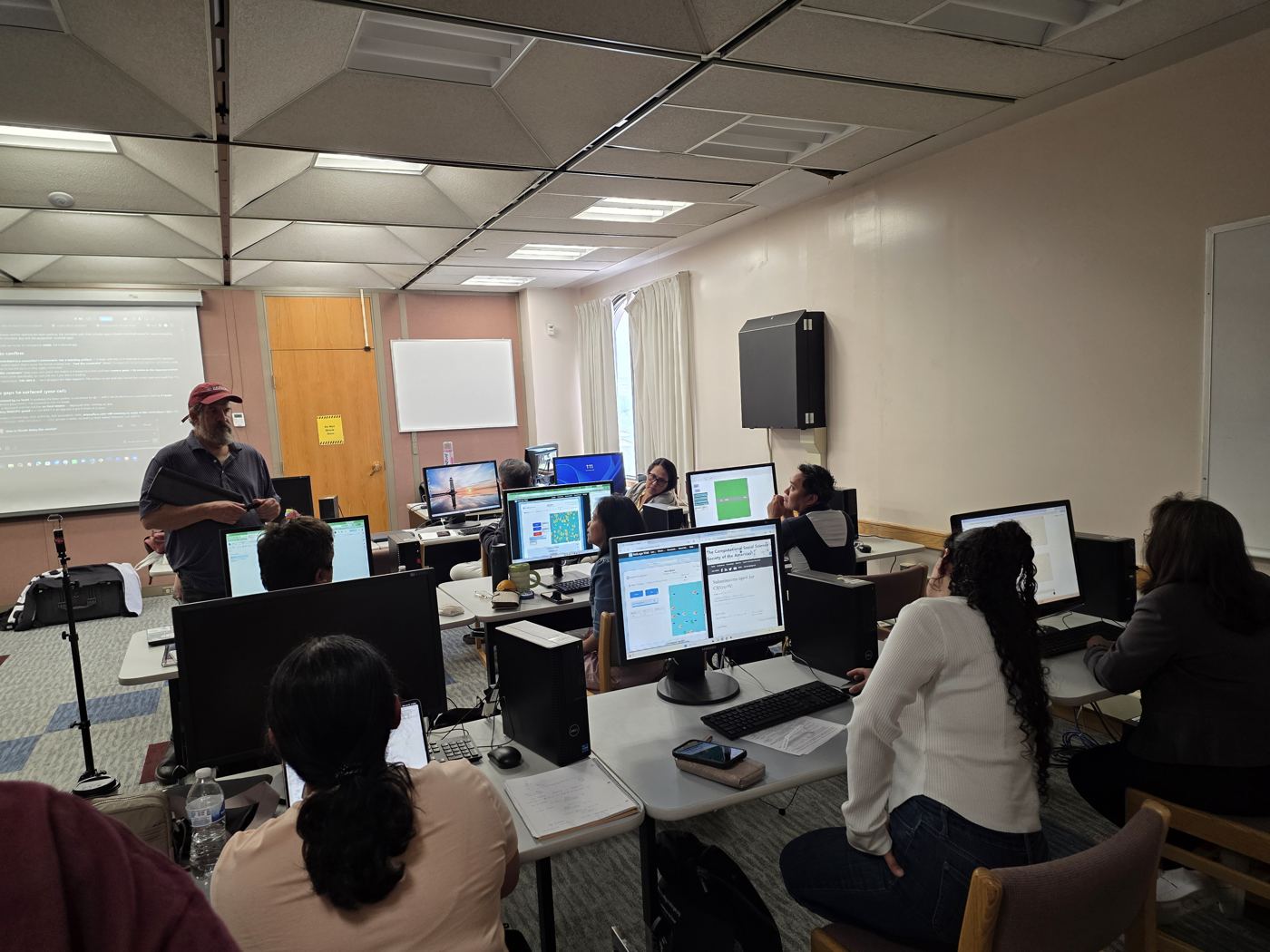
Teachers worked directly with NetLogo and agent-based models, changing rules, variables, colors, populations, and environments to see how small decisions create larger patterns.
Plan for the classroom
Sessions connected modeling activities to research questions, student projects, facilitation, classroom management, and the next Supercomputing Challenge season.
Build a community
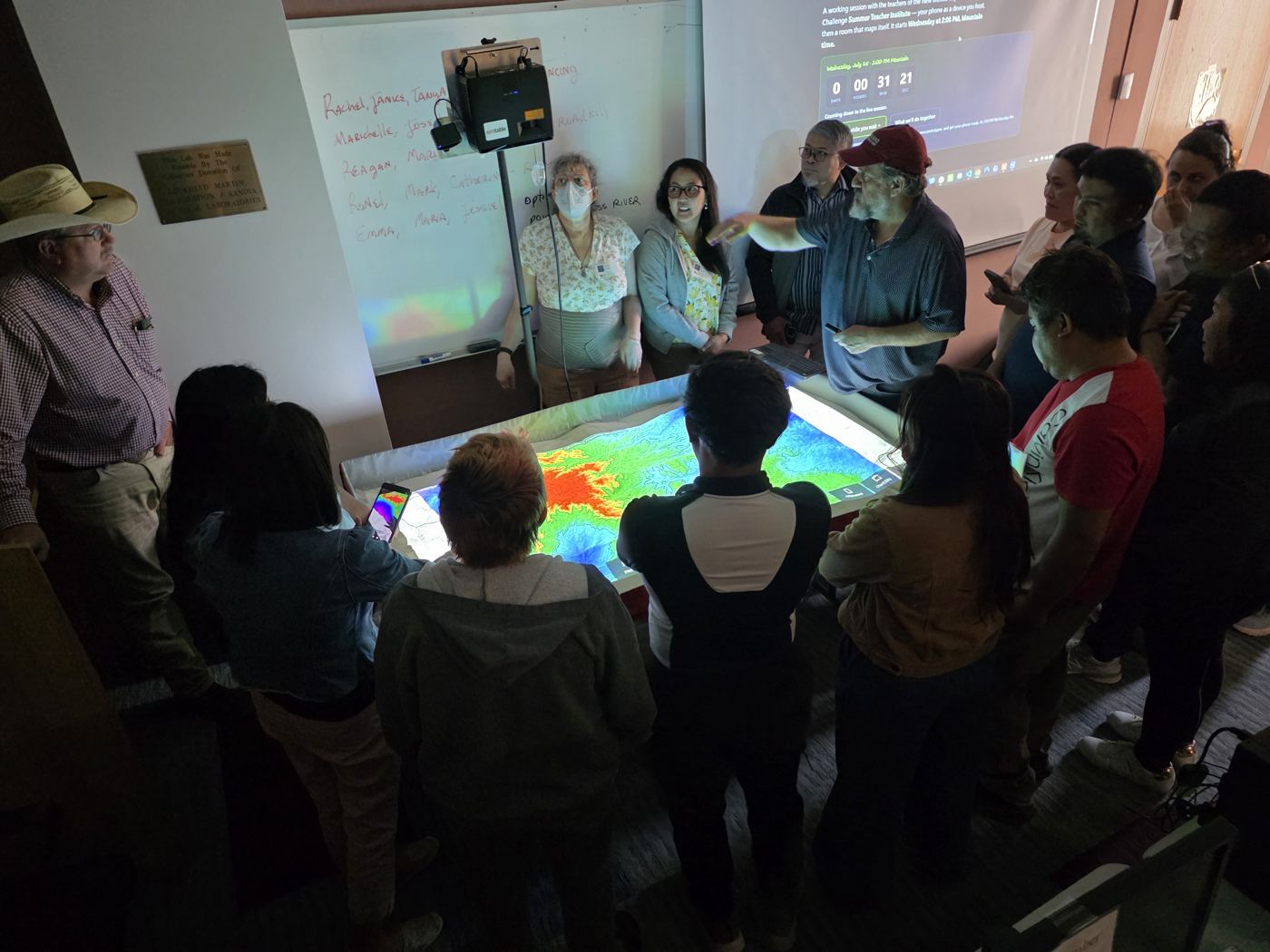
Participants compared approaches, collaborated across schools, and formed workshop teams around possible projects.
Supported participation
The institute included a stipend, lodging, and meals so educators could focus on learning, collaboration, and planning.
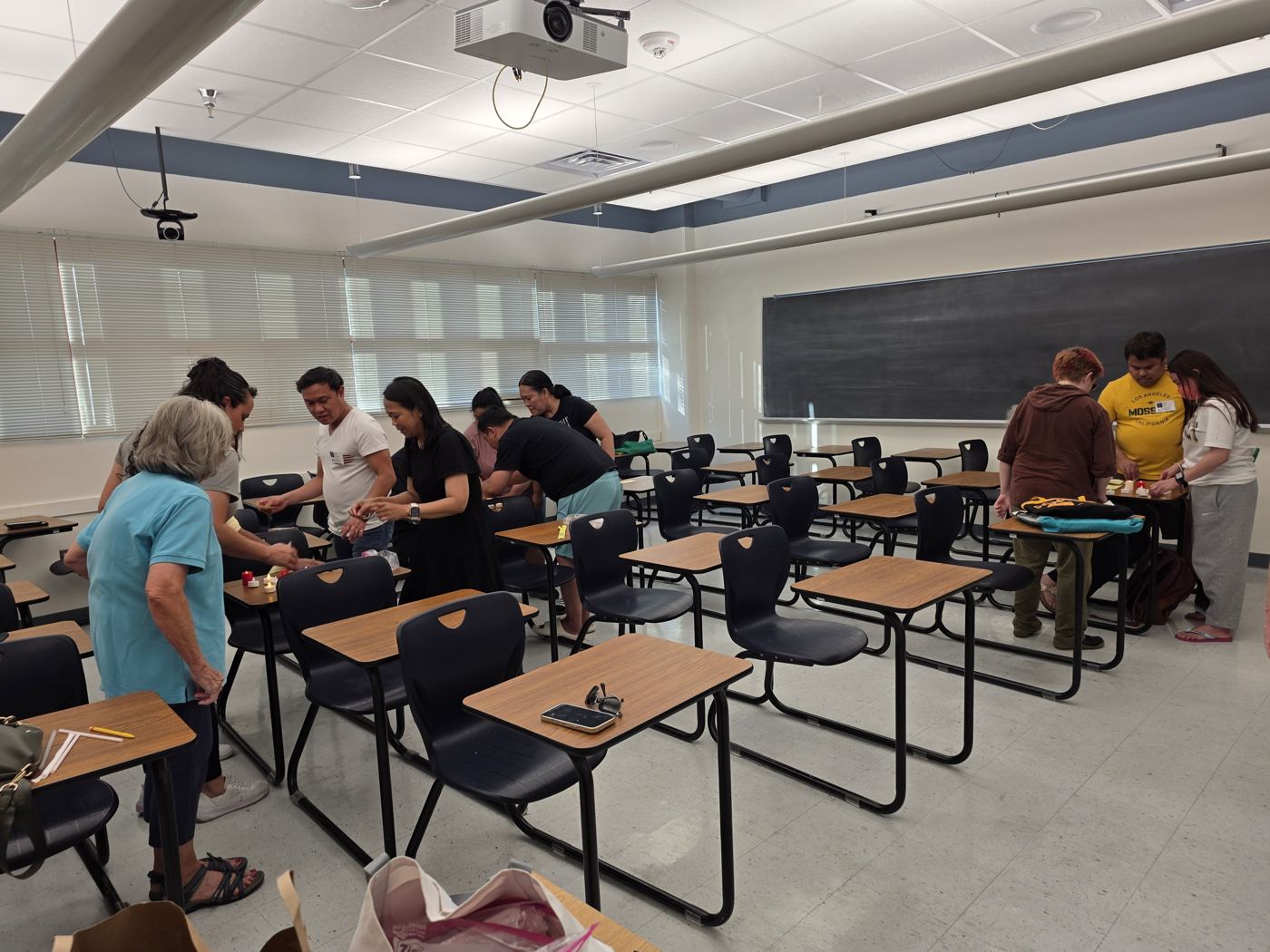
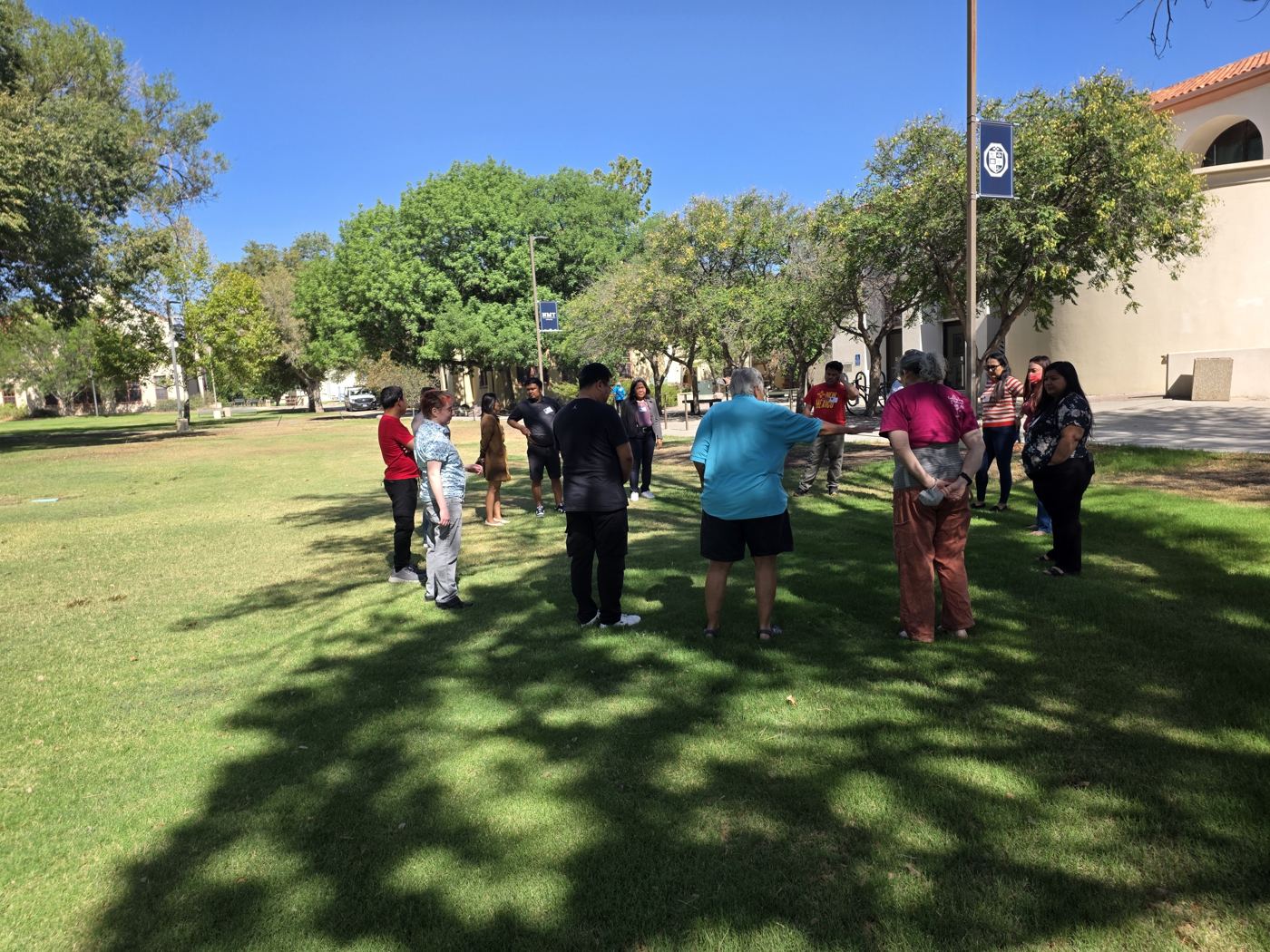
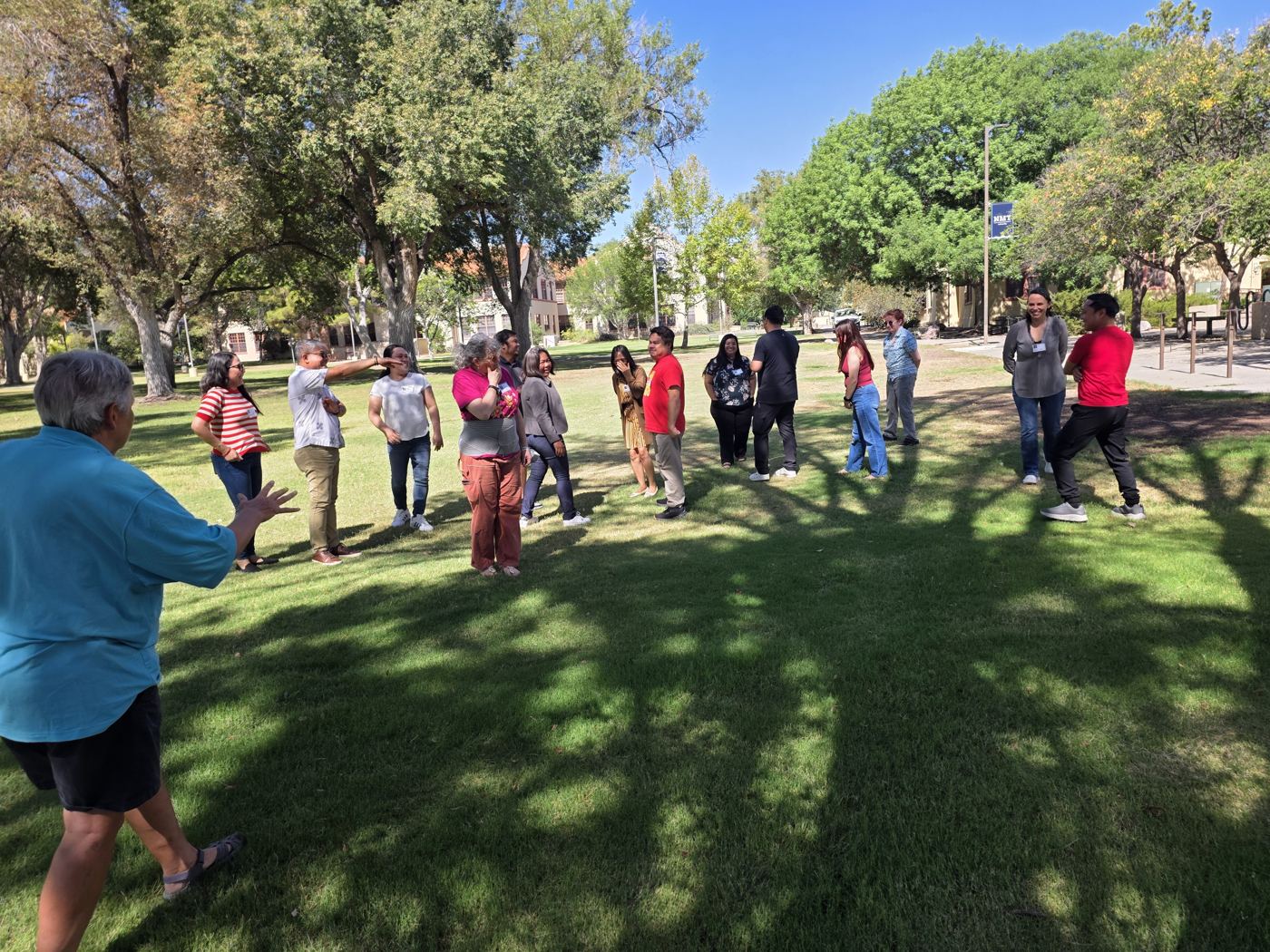
The week in pictures
Photos from the 2026 institute at New Mexico Tech in Socorro.
What participants explored
Ants
Emma, Maria, Jessiel, and Rachel investigated ants finding food and leaving pheromone trails. The group connected the model to possible projects about food deserts and access to healthy food.
Life
Reagan, Mirasol, and Ariel used Conway's Game of Life to explore cellular automata, algorithms, loops, variables, and emergent behavior.
Heroes and Cowards
Marichelle, Joseph, Tanya, and Janice examined how simple behavioral rules and randomness can produce complex group dynamics.
Simple Economy
Ronel, Mark, and Catherine modeled random economic exchange and used the results to think about wealth distribution, trade, taxation, savings, and redistribution.
Fish ecosystem experiments
Participants changed fish colors, starting energy, population, plants, plankton, backgrounds, and fish size. They observed how food availability and competition changed survival and population patterns.
- Mirasol Laberinto: varied fish colors, energy, population, and plant counts.
- Reagan Ramirez: added sea bubbles and plants near the bottom of the model.
- Ronel Turquesa and Joseph Saga: experimented with backgrounds, fish, plankton, and fish size.
- Maria: connected the model to accessible, play-based learning for students with special needs.
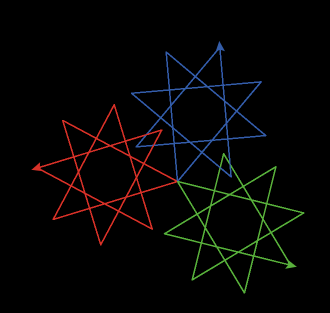
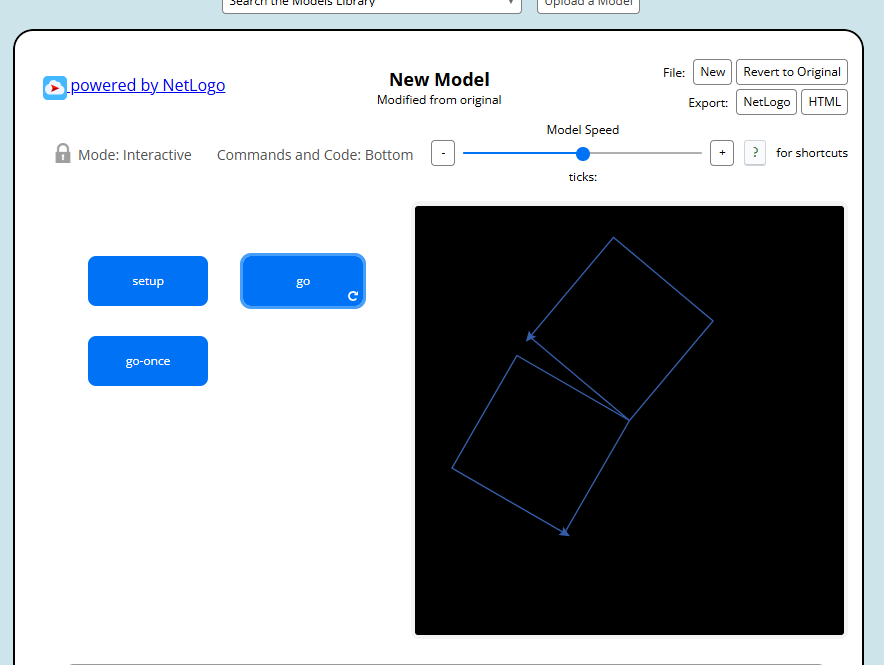
View the NetLogo model screenshots
Day 1 screenshots




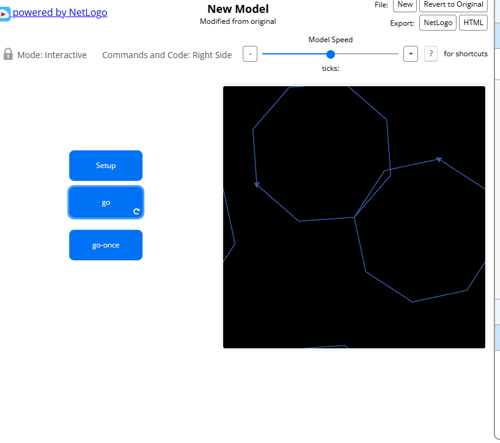


Day 2 screenshots


Workshop challenge projects
| Team members | Project idea |
|---|---|
| Rachel, Janice, and Tanya | Social distancing |
| Marichelle and Joseph | Truancy |
| Reagan, Marisol, and Ariel | Wildlife protection |
| Ronel, Mark, and Catherine | Recycling |
| Emma, Maria, and Jesiel | Optimization of power lines across a river Project NetLogo code |
Resources for future groups
Use these links as starting points for a future institute or a classroom modeling activity.
Start modeling
- NetLogo Web
- NetLogo textbook models
- StarLogo Nova for younger students
Plan a project
Facilitate learning
Review the week
2026 STI participants
Thank you to the educators who joined the institute. The public list includes names and schools only.
| Name | School |
|---|---|
| Janice Badongen Patale | Espanola Valley High School |
| Tanya Flores | NACA |
| Rachel Kilman | New Futures School |
| Ronel Turquesa | Spartan Learning Academy-BPS |
| Catherine Kay Irizari | Cubero Elementary School |
| Mark Anthony Sayat | Santo Domingo School |
| Maria Garcia Vasquez | Espanola Public Schools |
| Mirasol Laberinto | Grants High School |
| Marichelle Saga | Tse Bit Ai Middle School |
| Joseph Seth Saga | Tse Bit Ai Middle School |
| Ariel Ora | Grants High School |
| Jesiel Tabugon | Bloomfield High School |
| Emma South | Capital High School |
Interested in bringing computational science to your students? Watch the site for the next Summer Teacher Institute announcement, or contact consult@supercomputingchallenge.org.